If you can’t do, teach.

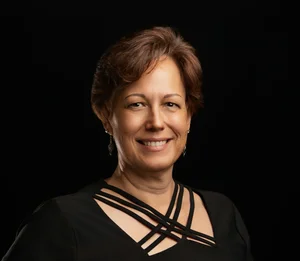
That’s me on the far right, fourth row from the bottom. Love that 80s hair!
I nearly walked out of the interview.
I was sitting in a row of about 8 people who had made it to the first round interview process with the hiring manager for 3 new positions in the IT department of a growing financial institution. My stomach was a knot of nerves. As we waited, I was making idle conversation with the person next to me; you know the “where are you from” and “where are you currently working” chatter that sometimes happen when people are stuck waiting without their cell phones in their hands. I was hoping it would calm my nerves.
The man next to me was telling me about all the technical roles he had held. When he asked me the same questions, I responded that I had been a special education teacher for almost 10 years and was looking to move into IT. He looked at me and said, “Well, you won’t get this position. They are looking for someone with IT experience. And besides, ‘if you can’t do, teach’.”
My heart sank. Why was I even here? Why did I think I could move from a specialized field like education into a highly technical field? I didn’t have any technical or business degrees or certifications. The skills section of my resume sounded weak compared to the man sitting next to me in that row of chairs. Maybe I should just leave and not waste anyone’s time.
I had been a special education teacher for almost 10 years. I loved working with the elementary school students in my classes. But I wasn’t fond of the standardized testing required from the school district or how the newspapers all knew how to teach better than teachers. And my high caseload (90+ students) meant I wasn’t even actually in the classroom working with kids but in meetings all day. I was burnt out and looking for something new.
So I was forging a new path into IT, as that had been an interest of mine in school. My resume had made it through the initial screening and I was sitting in a room with over 30 people who were interviewing for 3 positions. All of them already working in tech (or so I assumed!) and more qualified than I was, just like the guy sitting next to me with his certifications and experience
So I got up to leave. Then they called my name.
I decided to interview just for practice.
I got the job on the spot. Because the person who interviewed me came from a family of teachers. She knew that teachers could not just do, they could also teach. And that is what this position needed.
The guy sitting next to me? Never saw him again. But I had a shiny new career in IT.
This was my first experience with career resilience.
Career resilience is the ability to bounce back from career setbacks. Sometimes that resilience comes into play due to a job layoff. Sometimes it is because of burnout or boredom with your current career. And sometimes it is because you have simply outgrown the career you started in when you were younger.
Career resilience isn’t something we were taught to expect. We were taught to go to school, get a good job, then climb the corporate ladder. Yet, the average length at a job in the U.S. is just 4.1 years. And, according to The World Economic Forum Future of Jobs Report 2023, most people will have 3-7 career shifts in their working life. More than just a job change, a career shift entails changing industries or entire career paths. And the younger you are, the more career shifts you can expect in your life due to changing technology.
I often think about that interview waiting room. If I had walked out when my nerves told me to, I would have handed my future over to a stranger who believed a tired cliché about teachers.
Looking back, that uncomfortable bench wasn't just where I waited for an interview. It was where I decided to stop letting other people define what I was capable of doing. To stop letting a certification or degree define my entire career path.
The truth is, the ladder we were promised doesn't exist anymore; and that's actually good news. Career resilience gives us permission to stop climbing someone else's ladder and start building our own. At any point, you can choose to stop letting other people define you. You can decide your next career move instead of waiting for an opportunity. You can choose work that brings you joy and define it on your own terms.