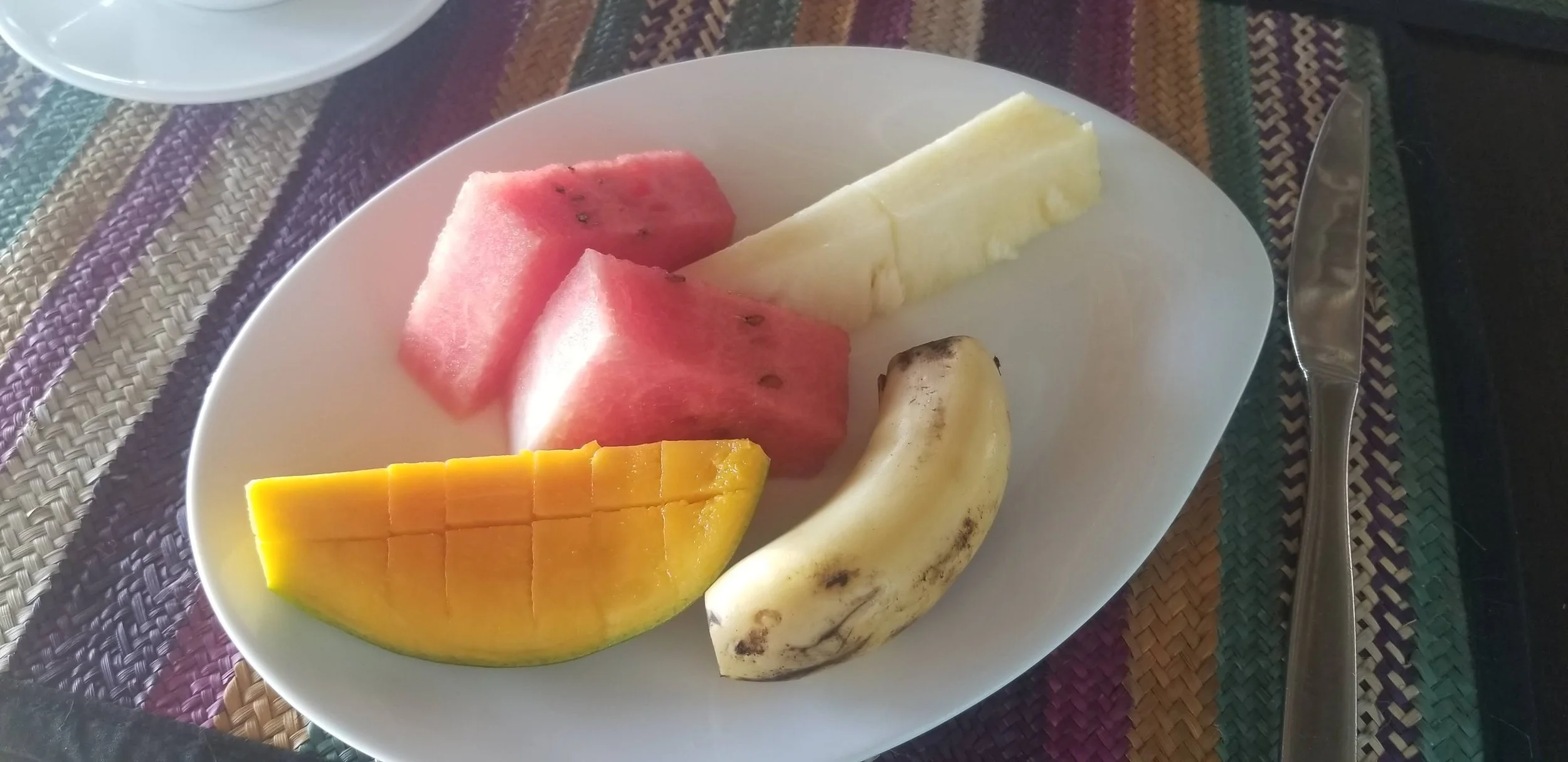
Burnout had me reaching for chocolate. Recovery looked like this.
I saw a number on the scale I swore I would never see again.
After losing over 100 pounds in my 30s, I made a promise to myself that I would never gain back enough weight to hit a certain number. This isn’t a story about that number. It’s a story about what that number meant. It was my alarm.
The alarm had gone off before. After a really bad breakup. During COVID, when I was eating bread and out of my normal exercise routine (like the rest of America and the world). Each time, I noticed the scale creeping up. When I’d put on an extra 20 pounds, it shocked me back into my healthy eating plan and my exercise routine.
But this time was different. I was deep in burnout, and even when the scale hit that “crisis” number, I couldn’t stop the weight gain.
The stress eating started earlier and earlier every day. Self-soothing with chocolate went from occasional, to daily, to hourly.
My motivation to exercise was zero, because I just wanted to sit on the couch. When I did manage to work out, it was much shorter than normal.
My sleep was poor, so I would oversleep and miss even more workouts.
I had no energy to cook. A bag of chips sounded like a perfect dinner.
And I went from having an adult beverage very rarely to having one almost every night.
The number kept climbing. I would try to get my healthy habits back and succeed for a few days, two weeks at most. Then something else would blow up at work, or I’d get assigned yet another project because of turnover on the team, and I was right back to my unhealthy self.
Burnout steals your mental energy first. Your physical energy goes next.
The alarm that finally worked
Stepping on that scale and seeing a number I hadn’t seen in 20 years is what started the change.
I worked with a coach to figure out how to stop the burnout while I was still in my current role. I set up my schedule so that my first 30 minutes had no meetings, which meant I could eat a healthy breakfast while checking email. Instead of running on empty and then reaching for chocolate at my first break, I was fueling my body for success.
Over the next few weeks, I stopped putting on weight. My workouts became more consistent as I started putting some boundaries into place at work to reduce the burnout. I was still stress eating, but it was much more under control.
I wasn’t all the way back to feeling like myself. But the downward spiral had stopped.
Full recovery took longer. Even after I eventually left my corporate job, it took weeks to work the burnout out of my system. Then one day I noticed I was reaching for a piece of fruit instead of the bag of chips, and I couldn’t remember when that had changed.
Lacey’s story
Career burnout sneaking into your health isn’t unique to me.
Lacey came to me burned out and bored out at work. As we worked through what she wanted to do next, she shared: “I feel self-conscious when I’m meeting clients or out networking because of my recent weight gain. I used to love to exercise, but now I hate it. And I’m eating two dinners because I’m stress snacking while helping my kids with homework and then eating dinner with the family.”
After a few sessions, Lacey realized some of her burnout came from juggling afternoon snack time and homework with her kids while taking client calls. So she rearranged her schedule and took the late afternoon off from work. Along the way, she rediscovered her love of cycling, instead of forcing herself through workouts she thought would help with her stress.
We wrapped up our sessions with her new career goals in motion and her burnout under control. When I connected with her a few months later, she was doing work she loved, she was back on her bike, and her face was glowing.
What does burnout make you reach for?
This is part 2 of what burnout cost me. Read Part 1 here: